
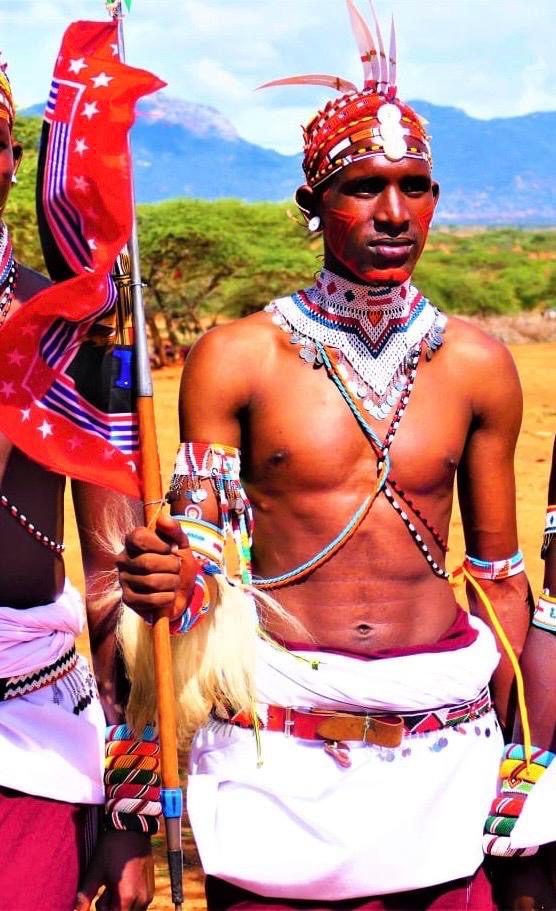
Reteti Elephant Sanctuary is a community-owned and community-run sanctuary in northern Kenya. It was created to rescue and rehabilitate orphaned elephants while supporting the local Samburu community. Here, local people are the stewards of their own land, protecting wildlife while creating long-term opportunities for their families. Reteti proves that conservation works best when communities are part of the solution and share in the future of the land they protect
Q: How long have you been working at Reteti?
Russia: I’ve been here since the beginning, August 2016. Reteti is owned and run by the local community, and it supports the community in many ways. We now employ 120 local people. We also buy goat milk from local women to feed the elephants. There are 610 women from the community supplying milk, which is a big achievement for us.
Q: Reteti is one of the few sanctuaries that hires female elephant keepers.
Russia: Yes, we have about 15 women working as keepers.
Q: Can you tell us how many rescued elephants are currently at Reteti?
Russia: Currently, we have 44 baby elephants. During the dry season, we expect more rescues because of drought. Calves fall into wells, get abandoned, or are affected by human-wildlife conflict.
Q: When an elephant is in trouble, how does the community get involved?
Russia: The community are livestock keepers, so they move across the land. When they spot a baby elephant alone or trapped in a well, they call us.
Q: Do they help get the elephant out of the well?
Yes. Elephant calves are very heavy, so we need many people. Strong men and women help. When a calf is rescued, we wait 48 to 72 hours to see if the mother returns. If she comes back, we reunite them. If not, we bring the calf to Reteti.
Q: What made you want to work with elephants?
Russia: It was my dream since I was a child. I was about seven years old, herding goats, which is part of our culture. And an elephant helped me.
Q: How?
Russia: During one dry season, goats depended on pods from acacia trees. Only strong men could climb the trees and shake them. I couldn’t do that. One day, an elephant shook the tree, and my goats fed alongside the elephant until evening. That’s how an elephant helped me.
Q: Were you scared?
Russia: Yes. I hid in thick bushes until the elephant left.
Q: Did you grow up in Samburu?
Russia: Yes. I grew up in a local village and went to primary and secondary school. School is not free. My father had to sell about five cows each time to pay my school fees.
Q: Reteti feels very different from other well-known sanctuaries. What do you think sets it apart?
Russia: Yes. We want visitors to get a real experience. The area is not fenced. We are far from towns. We limit visits to 30 people at a time, with four feeding sessions a day. We also allow private visits for those who want exclusivity, but all visits must be booked.
Q: The Samburu community can visit Reteti for free. Can you explain why that matters?

Russia: Yes. If community members want to visit, we can even provide transport. We focus on education and awareness. We play football matches with the youth and talk to them about Reteti and conservation. If not for the community, we are nowhere.
During the dry season, people and elephants compete for water and grazing. We work with the Kenya Wildlife Service so that if elephants damage crops or livestock, there is compensation. This helps reduce conflict.
Q: How does Reteti support education in the local community?
Russia: Many people could not go to school because it was too expensive. Every guest pays a conservation fee, and 60 percent goes directly to the community. This money helps educate children. It’s one of the first projects doing this at this scale.
Q: Where does your name come from?
Russia: My father named me after a friend from Russia that he worked with many years ago.