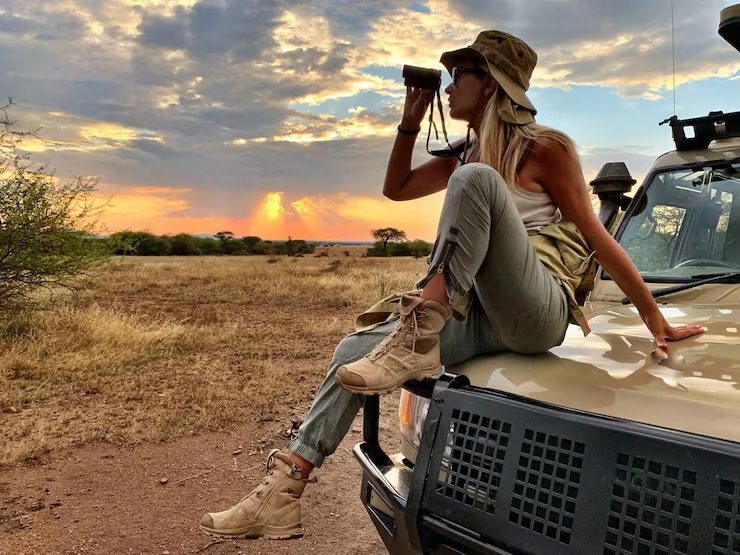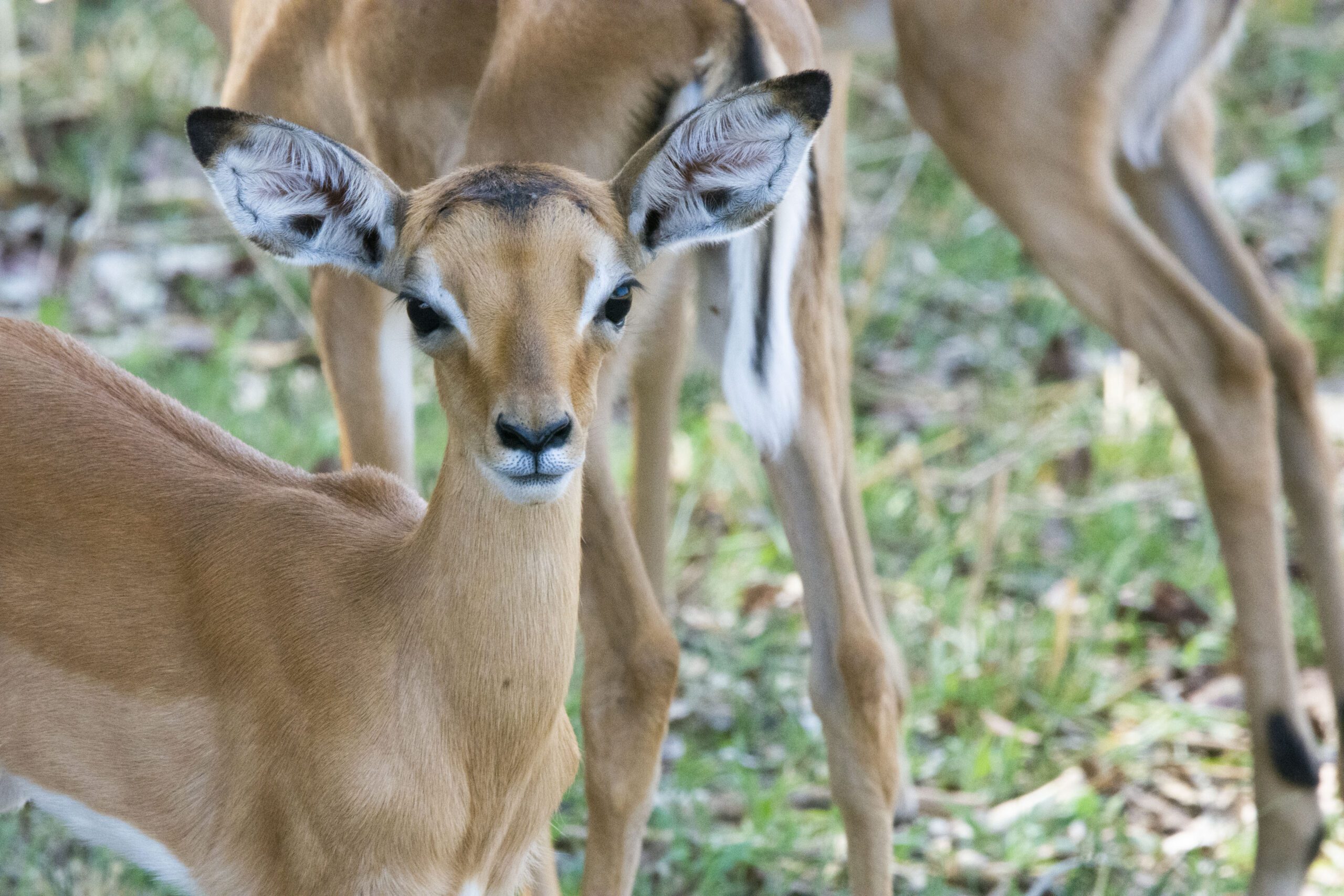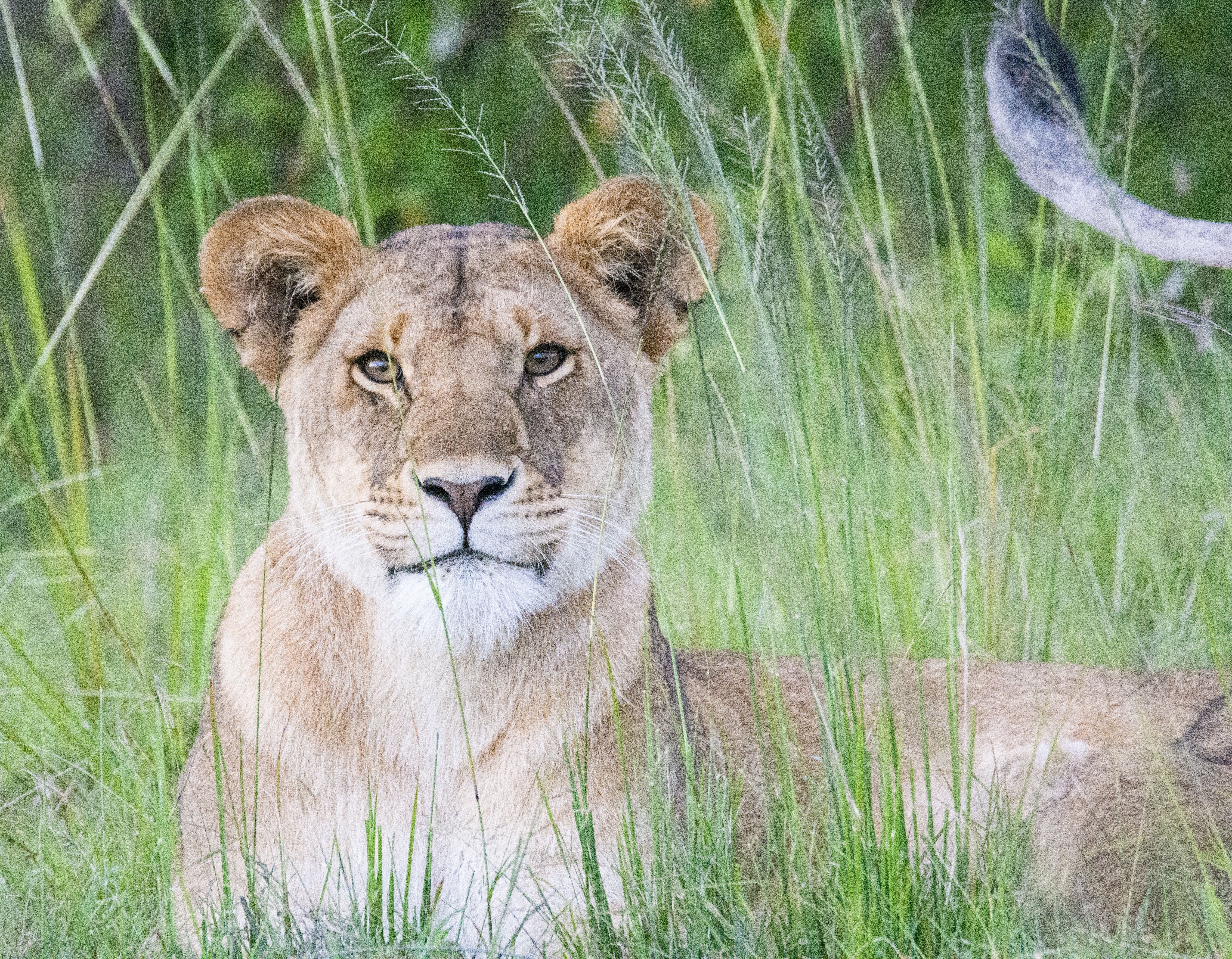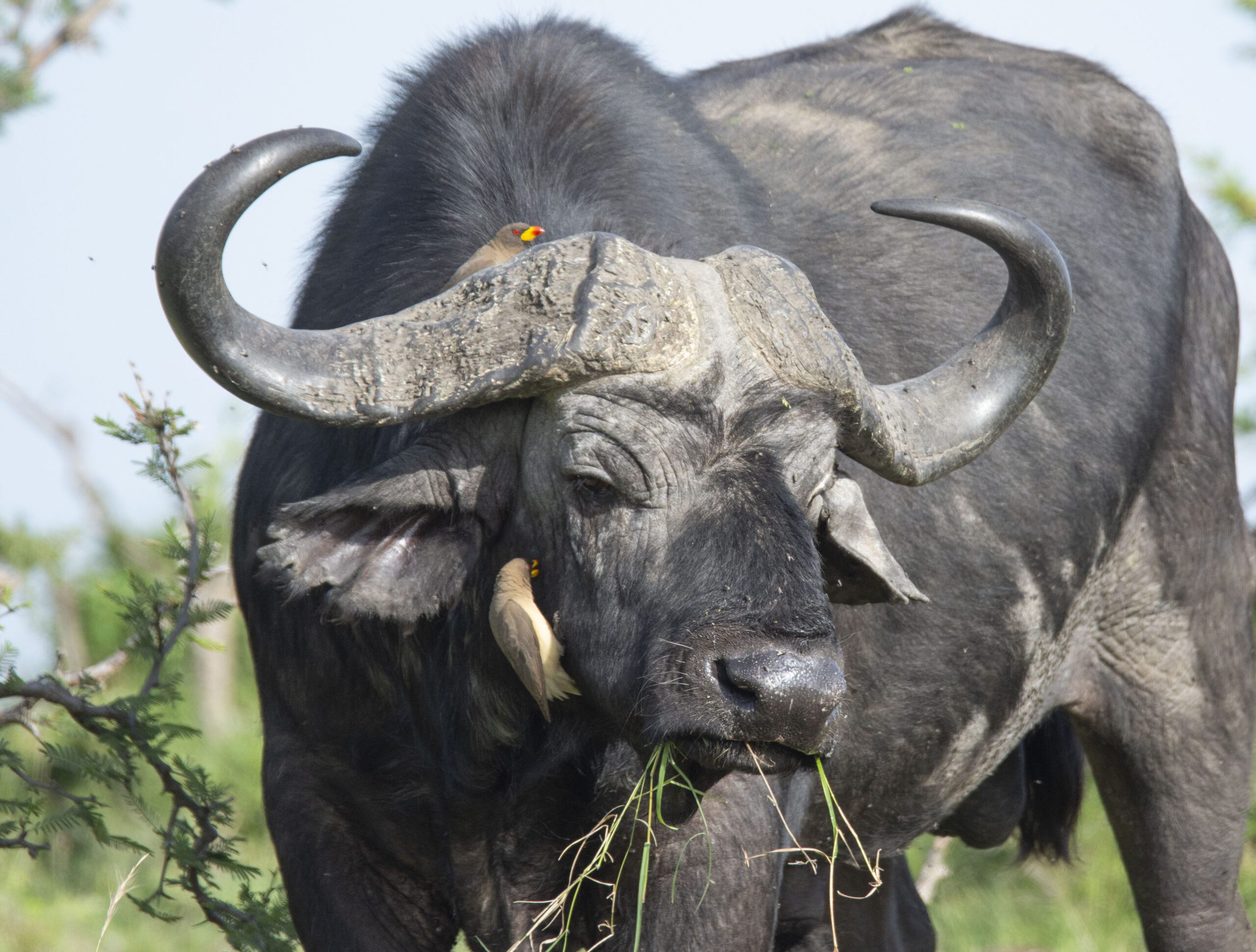
As the birthplace of the safari, it offers an authentic African experience that combines spectacular wildlife, world-class hospitality, and vibrant culture. From its vast savannahs and towering mountains to its pristine beaches along the Indian Ocean, Kenya is a land of endless wonders waiting to be explored.
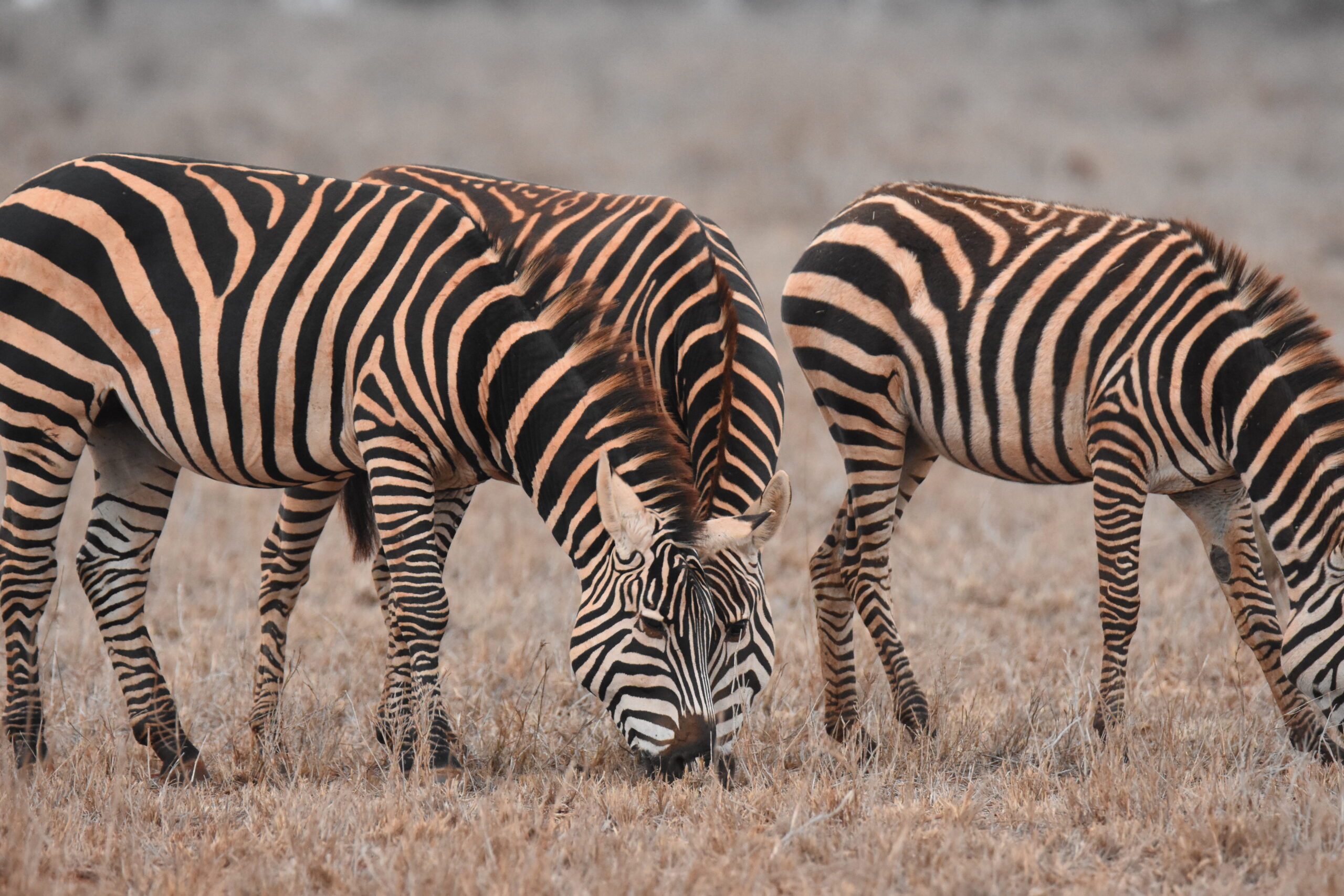
Renowned for its exceptional national parks, reserves, and private conservancies, Kenya is home to some of the most diverse and abundant wildlife on the planet. Iconic destinations like the Maasai Mara, Amboseli, and Samburu are teeming with animals, including the “Big Five,” and the country is world-famous as the stage for the Great Wildebeest Migration—a breathtaking natural phenomenon where millions of wildebeests, zebras, and antelopes journey across the Serengeti-Mara ecosystem.
Beyond the wilderness, Kenya’s Indian Ocean coastline offers a different kind of paradise. With its powdery white sands, and turquoise waters.The coastal towns of Diani Beach, Malindi, and Watamu provide the perfect retreat. Here, you can dive into crystal-clear waters to explore vibrant coral reefs, take a dhow cruise along the coast, or simply relax on some of the most beautiful beaches in the world.
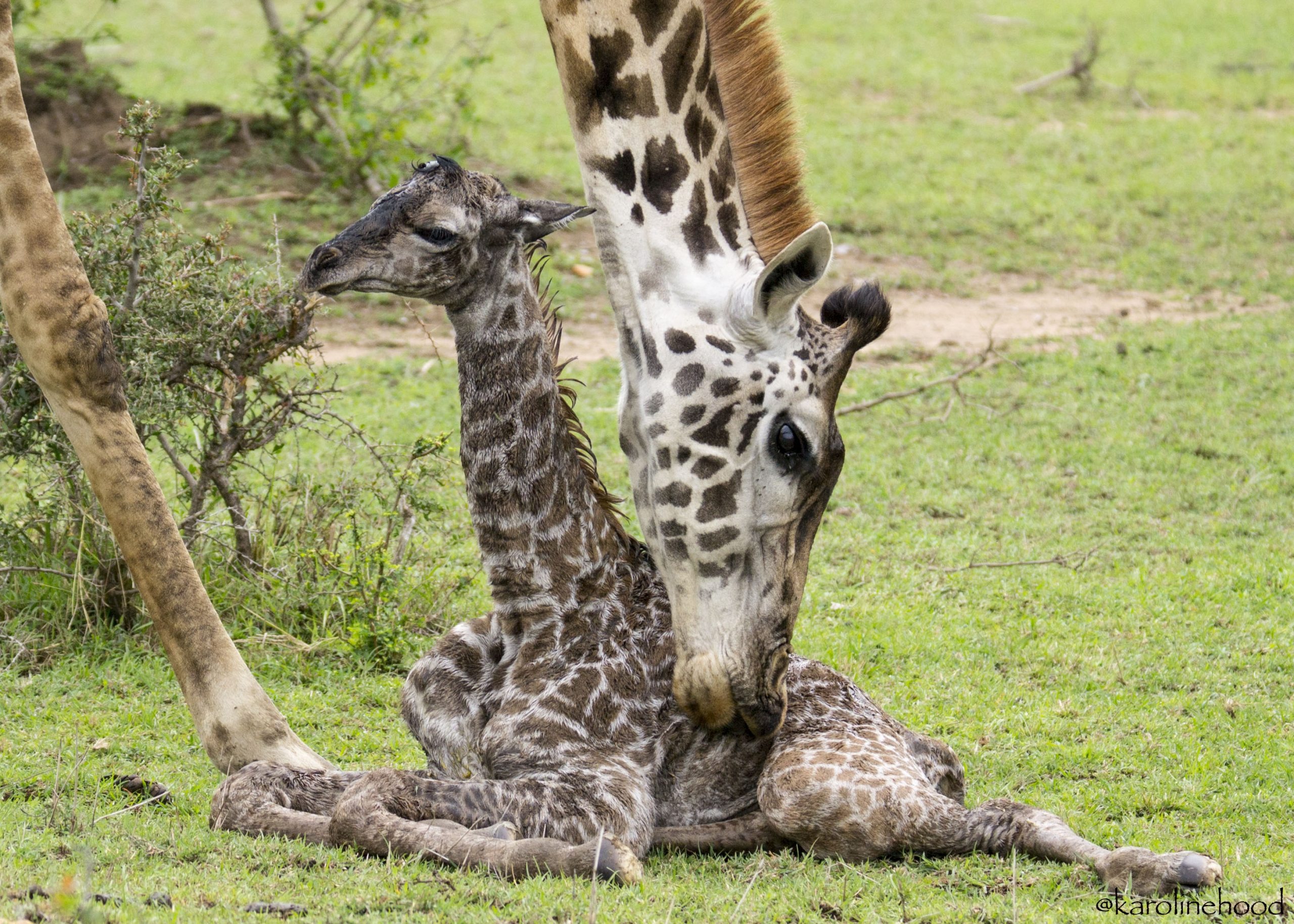
Kenya is also a global leader in conservation, with pioneering private conservancies like Naboisho and Lewa offering sustainable safari experiences. These sanctuaries ensure that wildlife thrives while empowering local communities and giving travelers exclusive, meaningful encounters with nature.
With top-notch hospitality, luxury lodges, and modern infrastructure, Kenya is an easy country to explore, whether tracking lions on a game drive, climbing Mount Kenya, or savoring fresh seafood by the beach. Kenya’s warm and welcoming people will make you feel at home from the moment you arrive
January in Kenya is typically hot and dry, bringing warm, sunny days and generally excellent conditions for wildlife viewing. The landscape can still be green following the short rains, although longer grass may make some smaller animals harder to spot. Amboseli is an excellent choice for elephant viewing. For a beach extension, Diani, Watamu and Lamu offer hot weather, plenty of sunshine and the occasional shower, making January a good time to combine safari and beach.
February is hot and dry, with excellent wildlife viewing across many of Kenya’s safari areas. As water becomes scarcer, animals are more likely to gather around rivers and waterholes, making them easier to spot. February is also an excellent month for the beach before the long rains begin, with hot weather along the coast. For travellers interested in marine activities, this is a good time for snorkelling and diving, with opportunities to see dolphins and, in some areas, whale sharks.
March is a transitional month in Kenya, beginning hot and relatively dry before the long rains become more established. Early in the month, wildlife viewing can still be very good, while increasing rainfall later in March brings greener landscapes and thicker vegetation that can make animals harder to spot. As shoulder season begins, visitor numbers fall and some camps start offering lower rates. Along the Kenyan coast, March is one of the hotter months and can offer good conditions for diving, although rainfall becomes more likely as the month progresses.
April falls within Kenya’s green season and is generally one of the wettest months across much of the country. The long rains transform the landscape, but thicker vegetation can make wildlife harder to spot, while heavy rain may leave some safari roads muddy or difficult to navigate. Visitor numbers are low and some camps offer attractive low season rates, although others close during this period. The lush landscapes and dramatic skies can be particularly rewarding for photography, and birdwatching remains excellent. Along the Kenyan coast, days remain hot and evenings warm, but rainfall increases significantly as the long rains become established.
May is part of Kenya’s long rainy season, bringing lush green landscapes and some of the lowest visitor numbers of the year. Wildlife can be more difficult to spot in thick vegetation, while heavy rain may affect access to some safari areas. Some safari camps close during this period, but properties that remain open may offer some of their lowest rates. May is also particularly wet along the Kenyan coast, and some beach properties close during this period. If your priority is a traditional safari and sunny beach combination, May would not be my first choice.
June marks the transition into Kenya’s cool, dry season as the long rains begin to subside. Vegetation gradually starts to thin, making wildlife easier to spot, while visitor numbers are still lower than during the peak safari months of July and August. Depending on the camp or lodge, you may also find lower rates before peak season begins, making June a good option for travellers looking for excellent wildlife viewing with fewer crowds. Along the coast, conditions begin to become drier, with warm temperatures suitable for relaxing on the beach and enjoying water activities.
July is one of the best months to visit Kenya. The weather is generally cool and dry, vegetation is thinner and wildlife becomes easier to spot around permanent water sources. The Great Migration begins moving into the Maasai Mara around this time, although the exact timing depends on rainfall and can vary each year. Huge herds of wildebeest and zebra attract predators, creating exceptional wildlife viewing. July is also the beginning of peak safari season, so prices rise, popular camps book quickly and the Maasai Mara can become crowded. Along the coast, temperatures are warm and July marks the beginning of the humpback whale migration, particularly around Watamu and Diani.
August is one of the best months for wildlife viewing in Kenya, with dry conditions across many of the country’s major safari areas. The Great Migration is usually in the Maasai Mara, bringing the possibility of dramatic river crossings, although these can never be guaranteed for a particular day. August is peak season, so prices are high, camps fill quickly and popular areas can be busy. It is also an exciting month for the coast. August falls within the humpback whale migration around Diani and Watamu, making it possible to combine the Great Migration with a marine safari. Watamu’s protected marine environment also makes it an excellent addition to a safari itinerary.
September is another outstanding month for a Kenya safari. The Great Migration herds are usually still in the Maasai Mara, while dry conditions across much of the country make wildlife easier to find around rivers and permanent water sources. September remains peak season and prices can still be high, although availability may begin to improve compared with July and August. It is also one of the strongest months for humpback whale watching along the Kenyan coast, making September particularly good for travellers who want to combine safari with marine wildlife.
October is a transitional month between Kenya’s long dry season and the arrival of the short rains. The Great Migration herds generally begin moving south from the Maasai Mara towards Tanzania, although their movements depend on rainfall and vary from year to year. Wildlife viewing elsewhere can remain excellent, while visitor numbers begin to decline and some properties move away from peak season rates. Migratory birds begin arriving in greater numbers, making this a good time for birdwatching, including in Amboseli and around Lake Nakuru. Along the coast, temperatures are warm and October can be a good month for beach and water activities. It is also a particularly interesting month for marine wildlife around Diani: humpback whales can still be present during the first half of the month, while whale sharks begin arriving from around the beginning of October, creating the possibility of seeing both during the same coastal stay.
November falls within Kenya’s short rains, transforming dry landscapes into lush green scenery in some areas. As water becomes more widely available and vegetation thickens, wildlife can become more dispersed and sometimes harder to spot. The advantage is fewer visitors and generally better value than during peak safari season. November is also an excellent month for birdwatching as migratory species arrive. Diani, Watamu and Lamu remain warm, although the short rains can bring showers, so travellers should expect a mixture of sunshine and rain rather than guaranteed beach weather.
December brings warm temperatures and green landscapes following the short rains, which can continue into the month and vary considerably from year to year. Wildlife viewing remains rewarding, while migratory birds add to Kenya’s already impressive birdlife. Visitor numbers and rates may be lower earlier in December before increasing significantly over Christmas and New Year. Diani, Watamu and Lamu are all popular choices for a December beach, with warm Indian Ocean temperatures making the coast an appealing way to finish a Kenya safari.
Have a question or want to create your own tailor-made dream itinerary. We are here to answer any questions, please do not hesitate to contact us today to find out more. Our knowledgable friendly staff are happy to provide you with any additional information you may need
For Kenya, starting January 4th 2024, you are no longer required to obtain a Visa the Electronic Travel Authorization (eTA) system replaces the eVisa system for Kenya. It’s crucial for all visitors, including children and infants, to obtain the approved eTA before embarking on their journey to Kenya.
Visitors should apply for the eTA via www.etakenya.go.ke and pay a processing fee of USD $34. Standard processing time is three working days. But visitors should still apply well in advance.
Visa requirements for U.S. citizens traveling to Tanzania.
Foreign nationals may apply for a visa online in advance of travel. Applicants may complete the e-visa application form and make payment online with a credit card or bank transfer at www.immigration.go.tz. If the e-visa is approved, the applicant will receive a “grant notice” via email. Present a copy of the grant notice to the Immigration Officer on arrival at the airport in Tanzania.
U.S. citizens may also obtain a tourist visa upon arrival at the airport in Tanzania. The cost is $100 USD. Be prepared to pay in cash in case connectivity issues make electronic transactions impossible.
A passport valid for a minimum of six months beyond visa issuance and/or date of entry, and at least one blank visa page, is required. Visitors who enter on visas must present a round-trip ticket and demonstrate they have sufficient funds for their stay.
Visa requirements to enter Malawi
The cost of single entry visa (valid for 30 days) is $50. This must be applied for online. If you will be entering Malawi on more than one occasion, double-entry (US$80pp) or multiple-entry (US$150pp) visas are available. Some passport holders don’t require a visa, like SADC countries (please check if you need a visa with the Malawi embassy in your home country). An onward or return ticket is required, as well as sufficient funds and detailed travel plans. Visitors to Malawi must have a minimum of 6 months’ validity and two blank/empty pages in their passport. Visa Application at Evisa
Visa requirements to enter Zambia
The United States and Canada are not required to obtain a visa. The list can be found here. An onward or return ticket is required, as well as sufficient funds and detailed travel plans. Visitors to Zambia must have a minimum of 6 months validity AND two blank/empty pages in their passport.
Check with the Centers for Disease Control and Prevention for the latest on required and recommended vaccines for your destination. You’ll want to visit your doctor or local travel clinic in advance.
We highly recommend that you purchase a travel protection plan to help protect you and your travel investment against the unexpected. travel protection plans should include coverage for trip cancellation, trip interruption, emergency medical, and emergency evacuation/repatriation, trip delay, and baggage delay.
January in Kenya is typically hot and dry, bringing warm, sunny days and generally excellent conditions for wildlife viewing. The landscape can still be green following the short rains, although longer grass may make some smaller animals harder to spot. Amboseli is an excellent choice for elephant viewing. For a beach extension, Diani, Watamu and Lamu offer hot weather, plenty of sunshine and the occasional shower, making January a good time to combine safari and beach.
February is hot and dry, with excellent wildlife viewing across many of Kenya’s safari areas. As water becomes scarcer, animals are more likely to gather around rivers and waterholes, making them easier to spot. February is also an excellent month for the beach before the long rains begin, with hot weather along the coast. For travellers interested in marine activities, this is a good time for snorkelling and diving, with opportunities to see dolphins and, in some areas, whale sharks.
March is a transitional month in Kenya, beginning hot and relatively dry before the long rains become more established. Early in the month, wildlife viewing can still be very good, while increasing rainfall later in March brings greener landscapes and thicker vegetation that can make animals harder to spot. As shoulder season begins, visitor numbers fall and some camps start offering lower rates. Along the Kenyan coast, March is one of the hotter months and can offer good conditions for diving, although rainfall becomes more likely as the month progresses.
April falls within Kenya’s green season and is generally one of the wettest months across much of the country. The long rains transform the landscape, but thicker vegetation can make wildlife harder to spot, while heavy rain may leave some safari roads muddy or difficult to navigate. Visitor numbers are low and some camps offer attractive low season rates, although others close during this period. The lush landscapes and dramatic skies can be particularly rewarding for photography, and birdwatching remains excellent. Along the Kenyan coast, days remain hot and evenings warm, but rainfall increases significantly as the long rains become established.
May is part of Kenya’s long rainy season, bringing lush green landscapes and some of the lowest visitor numbers of the year. Wildlife can be more difficult to spot in thick vegetation, while heavy rain may affect access to some safari areas. Some safari camps close during this period, but properties that remain open may offer some of their lowest rates. May is also particularly wet along the Kenyan coast, and some beach properties close during this period. If your priority is a traditional safari and sunny beach combination, May would not be my first choice.
June marks the transition into Kenya’s cool, dry season as the long rains begin to subside. Vegetation gradually starts to thin, making wildlife easier to spot, while visitor numbers are still lower than during the peak safari months of July and August. Depending on the camp or lodge, you may also find lower rates before peak season begins, making June a good option for travellers looking for excellent wildlife viewing with fewer crowds. Along the coast, conditions begin to become drier, with warm temperatures suitable for relaxing on the beach and enjoying water activities.
July is one of the best months to visit Kenya. The weather is generally cool and dry, vegetation is thinner and wildlife becomes easier to spot around permanent water sources. The Great Migration begins moving into the Maasai Mara around this time, although the exact timing depends on rainfall and can vary each year. Huge herds of wildebeest and zebra attract predators, creating exceptional wildlife viewing. July is also the beginning of peak safari season, so prices rise, popular camps book quickly and the Maasai Mara can become crowded. Along the coast, temperatures are warm and July marks the beginning of the humpback whale migration, particularly around Watamu and Diani.
August is one of the best months for wildlife viewing in Kenya, with dry conditions across many of the country’s major safari areas. The Great Migration is usually in the Maasai Mara, bringing the possibility of dramatic river crossings, although these can never be guaranteed for a particular day. August is peak season, so prices are high, camps fill quickly and popular areas can be busy. It is also an exciting month for the coast. August falls within the humpback whale migration around Diani and Watamu, making it possible to combine the Great Migration with a marine safari. Watamu’s protected marine environment also makes it an excellent addition to a safari itinerary.
September is another outstanding month for a Kenya safari. The Great Migration herds are usually still in the Maasai Mara, while dry conditions across much of the country make wildlife easier to find around rivers and permanent water sources. September remains peak season and prices can still be high, although availability may begin to improve compared with July and August. It is also one of the strongest months for humpback whale watching along the Kenyan coast, making September particularly good for travellers who want to combine safari with marine wildlife.
October is a transitional month between Kenya’s long dry season and the arrival of the short rains. The Great Migration herds generally begin moving south from the Maasai Mara towards Tanzania, although their movements depend on rainfall and vary from year to year. Wildlife viewing elsewhere can remain excellent, while visitor numbers begin to decline and some properties move away from peak season rates. Migratory birds begin arriving in greater numbers, making this a good time for birdwatching, including in Amboseli and around Lake Nakuru. Along the coast, temperatures are warm and October can be a good month for beach and water activities. It is also a particularly interesting month for marine wildlife around Diani: humpback whales can still be present during the first half of the month, while whale sharks begin arriving from around the beginning of October, creating the possibility of seeing both during the same coastal stay.
November falls within Kenya’s short rains, transforming dry landscapes into lush green scenery in some areas. As water becomes more widely available and vegetation thickens, wildlife can become more dispersed and sometimes harder to spot. The advantage is fewer visitors and generally better value than during peak safari season. November is also an excellent month for birdwatching as migratory species arrive. Diani, Watamu and Lamu remain warm, although the short rains can bring showers, so travellers should expect a mixture of sunshine and rain rather than guaranteed beach weather.
December brings warm temperatures and green landscapes following the short rains, which can continue into the month and vary considerably from year to year. Wildlife viewing remains rewarding, while migratory birds add to Kenya’s already impressive birdlife. Visitor numbers and rates may be lower earlier in December before increasing significantly over Christmas and New Year. Diani, Watamu and Lamu are all popular choices for a December beach, with warm Indian Ocean temperatures making the coast an appealing way to finish a Kenya safari.
We advise you to consult your doctor
Visit the U.S. Department of State or the Government of Canada.
You don’t need an entirely new wardrobe for safari. Chances are you already have some of the clothes that you need. Start by checking your wardrobe, then fill in any gaps with versatile pieces that you can mix and match.
Always choose comfortable, lightweight to medium weight clothing that can be layered throughout the day. Early morning game drives can be chilly, but temperatures rise throughout the morning. I usually start the morning wearing several layers and gradually remove them as it warms up.
Long-sleeved shirts or tops help protect you from the sun, mosquito bites, and in some areas, tsetse flies. They also provide extra warmth on chilly mornings and protect your arms from thorny vegetation if you’re doing a walking safari. When packing socks, bring a few pairs that are long enough to overlap your pants to protect against insects such as ticks and mosquitoes.
When travelling to and from my safari destination, I always wear a money belt or neck wallet that I can conceal under my clothing. It keeps my passport, cash, credit or debit cards, phone, and other valuables secure while travelling.
Depending on where you’re travelling and the time of year, a lightweight windbreaker or waterproof jacket is an option. Luxury safari camps provide umbrellas and blankets.
Neutral colours such as khaki, olive, brown, and beige are recommended because they blend into the environment and show less dust. In regions where tsetse flies are present, black and dark blue clothing should be avoided. Mosquitoes are also attracted to black and dark blue clothing. White clothing can get dirty from dust.
Red, orange, and other luminous colors should be avoided, as bright clothing can potentially scare off or disturb wildlife. Personally, I have worn bright colours and black clothing on safari and have never found it to be a problem. However, in line with traditional safari clothing recommendations, neutral colours are the best choice.
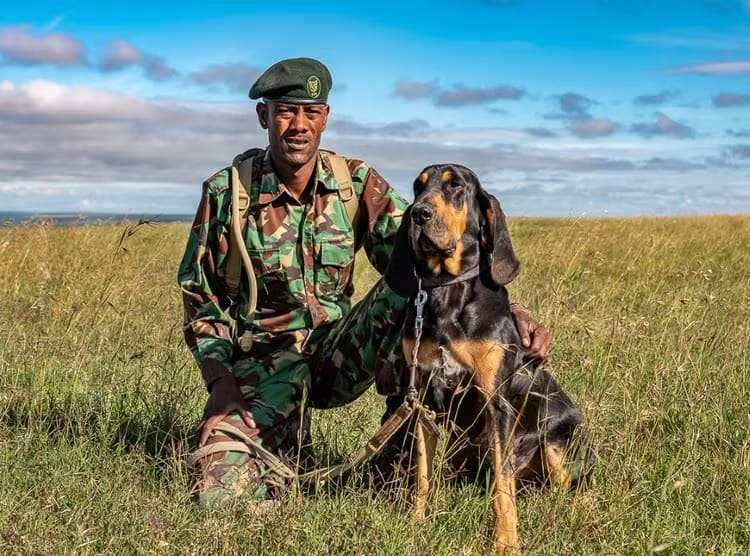
Camouflage clothing should always be avoided. It is restricted or prohibited in several African countries because it is associated with military and security forces.
Breathable fabrics are your best. Lightweight cotton blends, linen, and technical hiking fabrics are comfortable, easy to wash, and dry quickly.
No heavy denim. It takes up too much space in your suitcase, is slow to dry, and is not the most comfortable in hot weather. Personally, I nearly always pack leggings because they take up very little room in my suitcase. In the evenings, I also like changing into a pair of lightweight sweatpants to relax around camp.
Definitely pack at least one warm fleece, hoodie, or jacket, as early mornings and evenings, game drives, can get chilly.
A few things to remember before you pack
Most safari lodges and camps offer a daily laundry service, so there is no need to overpack.
If your itinerary includes a scheduled bush flight, remember that luggage is usually restricted to 15 kg (33 lbs) in a soft-sided bag. Always check your luggage allowance before travelling.
Many African countries, including Kenya, Tanzania, Rwanda, and Uganda, have banned single-use plastic bags, so avoid packing or carrying them.
If you plan to tip guides and camp staff, bring newer US dollar notes. Many countries will not accept US dollars that are ten years old, so check first
Travel Documents
Before you leave, make sure you have the following:
Sunglasses with UV protection (protect from dusty roads)
Money belt or neck wallet
Most safari camps provide the basic toiletries.
If you would like to support local communities during your visit, consider packing a few small educational supplies such as pens, pencils, or notebooks. They take up very little room and can make a difference when donated through a local school or community project.
As the birthplace of the safari, it offers an authentic African experience that combines spectacular wildlife, world-class hospitality, and vibrant culture. From its vast savannahs and towering mountains to its pristine beaches along the Indian Ocean, Kenya is a land of endless wonders waiting to be explored.
Renowned for its exceptional national parks, reserves, and private conservancies, Kenya is home to some of the most diverse and abundant wildlife on the planet. Iconic destinations like the Maasai Mara, Amboseli, and Samburu are teeming with animals, including the “Big Five,” and the country is world-famous as the stage for the Great Wildebeest Migration—a breathtaking natural phenomenon where millions of wildebeests, zebras, and antelopes journey across the Serengeti-Mara ecosystem.
As the birthplace of the safari, it offers an authentic African experience that combines spectacular wildlife, world-class hospitality, and vibrant culture. From its vast savannahs and towering mountains to its pristine beaches along the Indian Ocean, Kenya is a land of endless wonders waiting to be explored.
Renowned for its exceptional national parks, reserves, and private conservancies, Kenya is home to some of the most diverse and abundant wildlife on the planet. Iconic destinations like the Maasai Mara, Amboseli, and Samburu are teeming with animals, including the “Big Five,” and the country is world-famous as the stage for the Great Wildebeest Migration—a breathtaking natural phenomenon where millions of wildebeests, zebras, and antelopes journey across the Serengeti-Mara ecosystem.
Beyond the wilderness, Kenya’s Indian Ocean coastline offers a different kind of paradise. With its powdery white sands, and turquoise waters.The coastal towns of Diani Beach, Malindi, and Watamu provide the perfect retreat. Here, you can dive into crystal-clear waters to explore vibrant coral reefs, take a dhow cruise along the coast, or simply relax on some of the most beautiful beaches in the world.
Kenya is also a global leader in conservation, with pioneering private conservancies like Naboisho and Lewa offering sustainable safari experiences. These sanctuaries ensure that wildlife thrives while empowering local communities and giving travelers exclusive, meaningful encounters with nature.
With top-notch hospitality, luxury lodges, and modern infrastructure, Kenya is an easy country to explore, whether tracking lions on a game drive, climbing Mount Kenya, or savoring fresh seafood by the beach. Kenya’s warm and welcoming people will make you feel at home from the moment you arrive

Experience Africa at its most authentic. Tailor-Made for you, Crowd-Free