With wildlife under increasing pressure across Africa, Naboisho Conservancy is part of a solution that protects both wildlife and habitat.
Located on the edge of the Maasai Mara National Reserve, Naboisho sits within the larger Serengeti Mara Ecosystem, one of the last major wildlife refuges on earth. which covers some 25,000 kilometres (9,700 square miles), in Tanzania and Kenya.The largest mammal migration in the world takes place here which is one of the world’s most spectacular natural events.. What was once unprotected residential land has been transformed into a safe haven for wildlife. The existence of Naboisho conservancy ensures that migratory cycles and patterns are not disturbed or forced to change.
The name Naboisho means “coming together” in the Maasai Maa language.
Inspired by nearby conservancies, a meeting in 2008 brought together more than 500 Maasai landowners, conservationists, and tourism partners. The goal was to create a model that combines conservation with the protection of cultural heritage.
Now, 700 landowners lease their land and receive regular income. Jobs are created within the conservancy, and tourism supports schools and local businesses in the surrounding area.

When it comes to wildlife, Naboisho has it in abundance. Elephants, zebras, giraffes, and a wide range of antelope species are regularly seen. It is also one of the best places in Africa to see lions, with multiple prides across the conservancy, along with cheetah and leopard.
Naboisho supports a healthy population of lions in a protected environment. Outside conservancies, lions as well as other wildlife, face increasing threats, and across Africa there are estimated to be only around 20,000 remaining in the wild, with numbers continuing to decline.
Being located next to the Maasai Mara means you are close enough to visit the reserve for game drives if you wish too.
Within Naboisho itself, the experience is different. Visitor numbers are limited, so it remains uncrowded. Sightings are not rushed, and time with wildlife is not dictated by other vehicles.
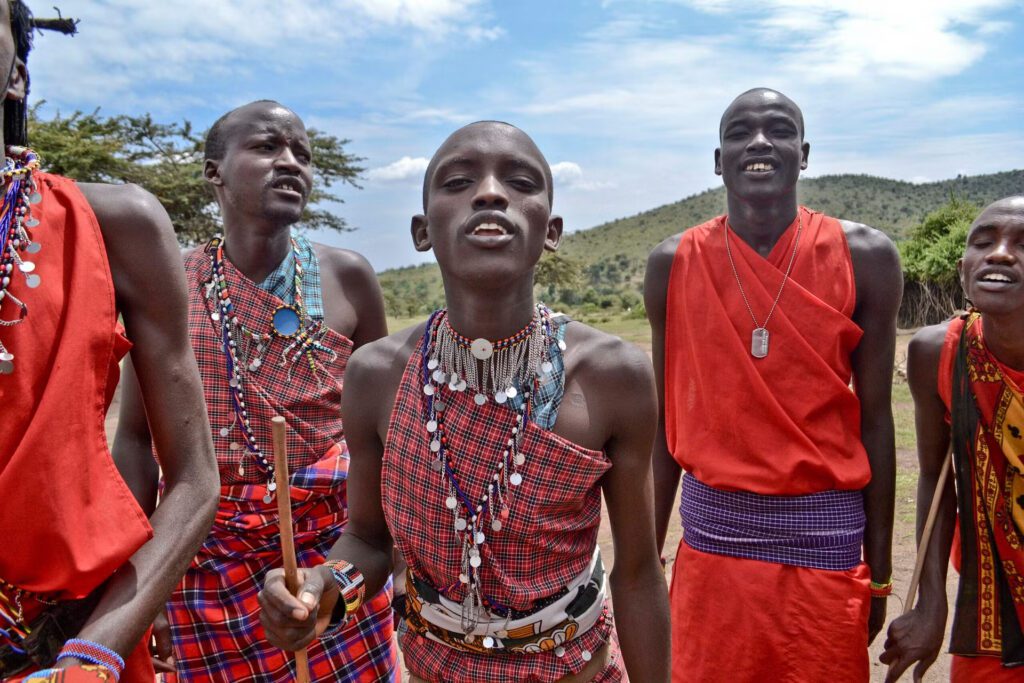
Guiding is a key part of the experience. All guides are from the Maasai community and bring strong knowledge of the land, wildlife behavior, and local culture.
Staying in a conservancy also allows for a wider range of activities.
You can go on night drives and take part in walking safaris, experiences that are not permitted in the national reserve.