Zambia, often described as the “Real Africa,” is a land of vast protected wilderness, abundant wildlife, and rich cultural heritage. Renowned for its authentic and unspoiled safari experiences, Zambia provides travelers with the opportunity to explore some of the continent’s most pristine and untouched landscapes.
The country boasts an impressive network of 19 National Parks and 33 game management areas, ensuring that its vast tracts of African wilderness remain preserved for future generations. These protected areas are home to a stunning diversity of wildlife, offering unforgettable encounters with nature.
Zambia’s extraordinary natural beauty makes it one of the continent’s most pristine wildlife havens. Unlike many other safari destinations, Zambia remains largely undisturbed and uncommercialized, allowing visitors to experience Africa in its purest form. From breathtaking national parks to its iconic rivers and waterfalls, Zambia is the ultimate destination for those seeking an authentic safari adventure.
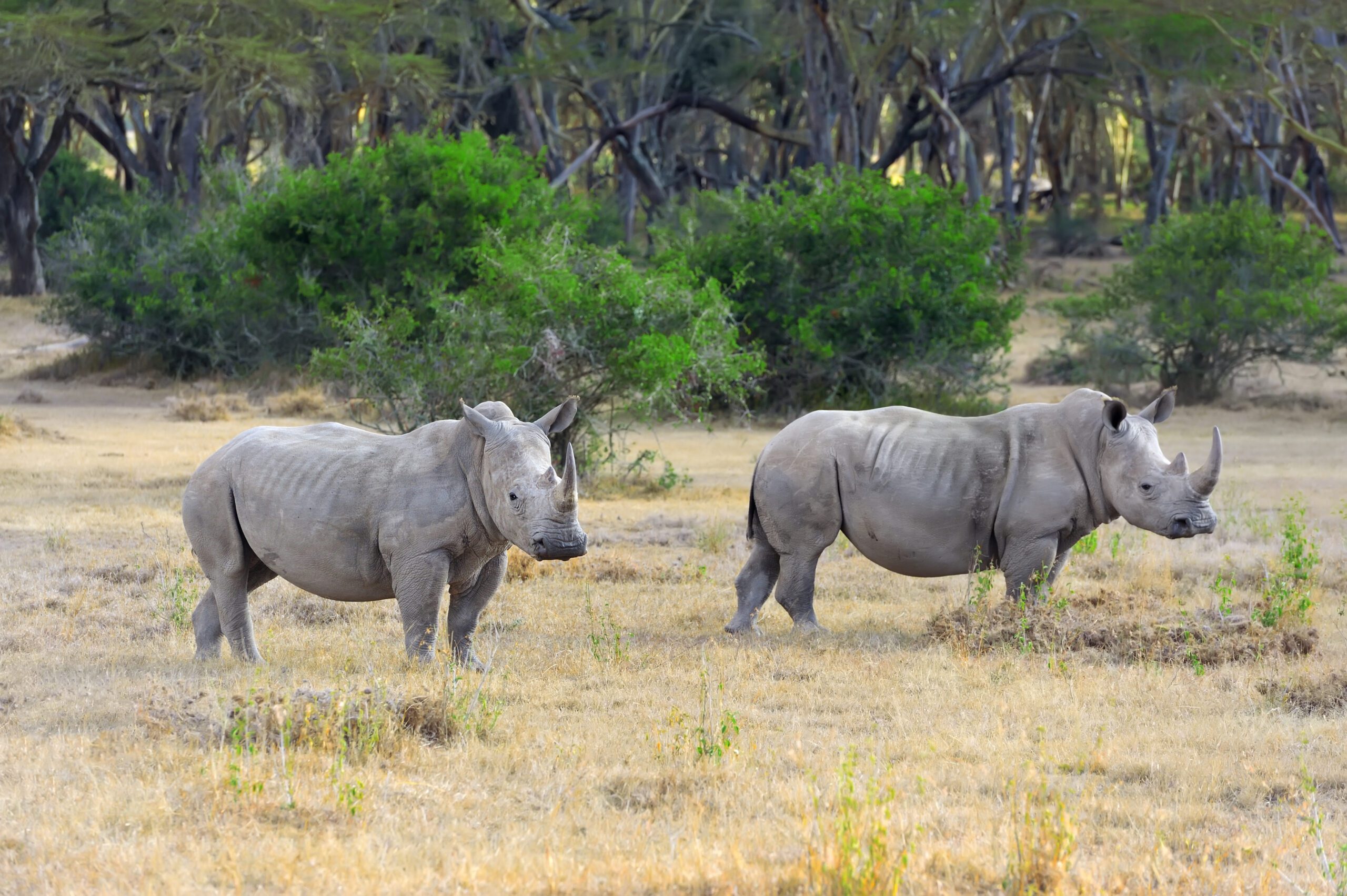
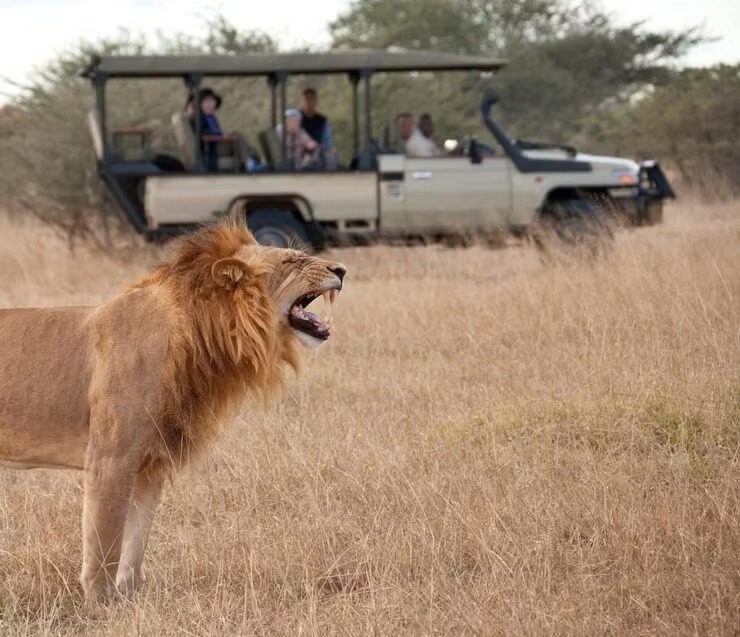
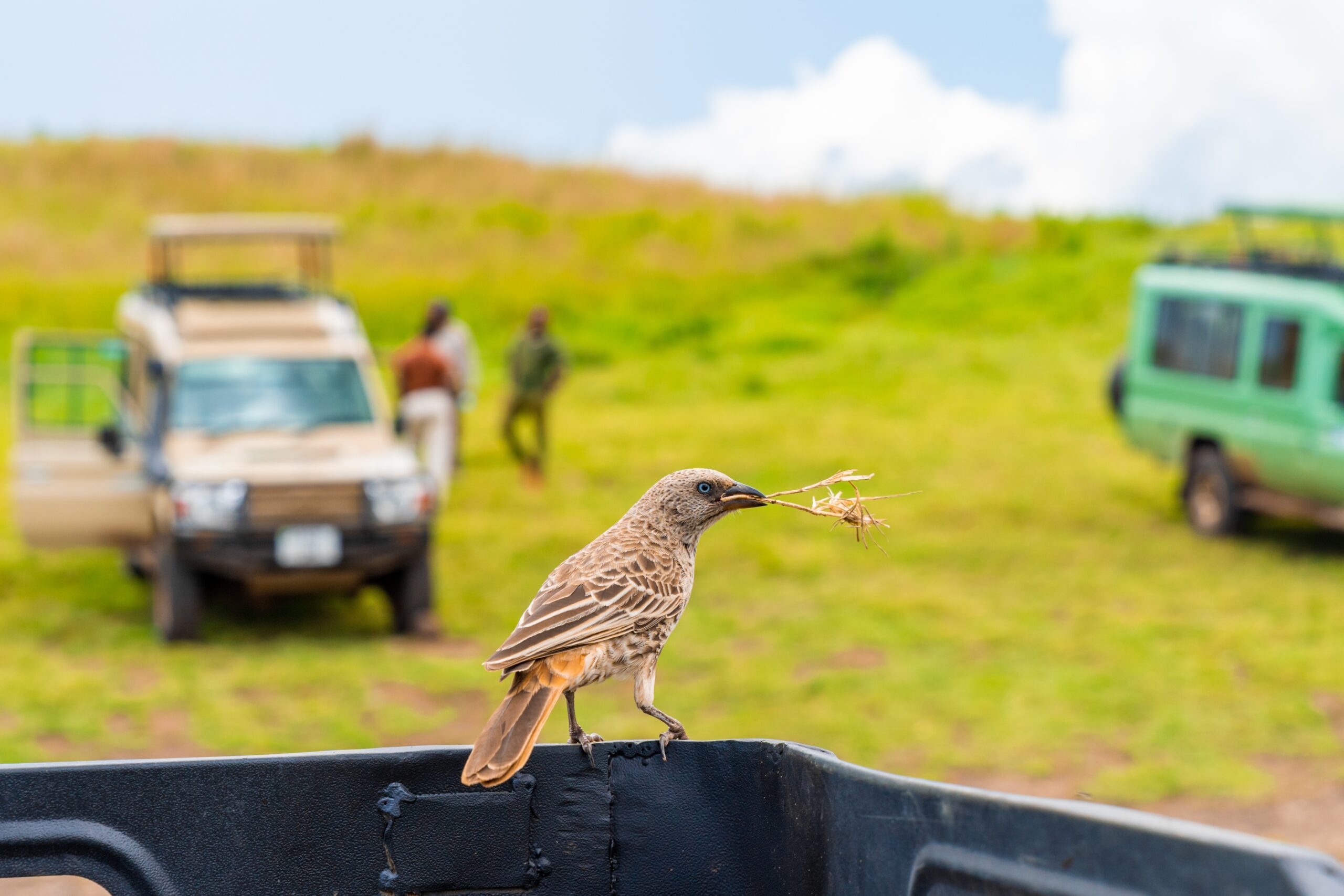
Incredible Wildlife and Safaris: Zambia is a safari lover’s paradise, offering legendary wildlife experiences across some of Africa’s most pristine wilderness areas. National parks like South Luangwa, Lower Zambezi, and Kafue are teeming with elephants, lions, leopards, rhinos, wild dogs, and countless bird species. As the birthplace of walking safaris, Zambia allows visitors to explore the bush on foot for an unparalleled connection with nature.
home to Victoria Falls one of the Seven Natural Wonders of the World. Locally known as Mosi-oa-Tunya, or “The Smoke That Thunders,” it is the world’s largest sheet of falling water. Activities include scenic helicopter flights, bungee jumping, white-water rafting, river cruises, and microlight flights for a bird’s-eye view of this natural marvel.
Adventure Activities: Adventure seekers will find plenty to do in Zambia. From canoeing safaris down the Zambezi River to fishing expeditions, gorge swings, and hiking through untouched wilderness, there’s something for everyone.
Cultural Experiences: Zambia’s culture is as vibrant as its landscapes, with over 70 ethnic groups each offering unique traditions, music, and dance.
Wildlife Conservation and Sustainable Tourism: Zambia is deeply committed to preserving its incredible biodiversity. Conservation initiatives, many led by African Parks, have transformed wildlife reserves like South Luangwa and Kafue into thriving sanctuaries. Visitors can support these efforts by staying in eco-friendly lodges and learning about ongoing projects to protect endangered species and uplift local communities.
May to October – Cool Dry Season
This is the best time to visit Zambia. Rainfall is minimal, temperatures are comfortable, and wildlife viewing is at its strongest as animals gather around rivers and water sources. Conditions are ideal for game drives, walking safaris, and river-based activities in parks such as South Luangwa and Lower Zambezi.
November – Hot Shoulder Season
November is typically hot, with rising temperatures and the first signs of the rains. Wildlife viewing remains good, particularly near permanent water, but activities may be limited during the hottest parts of the day. Visitor numbers are lower, making this a quieter time to travel.
December to March – Wet Season
This period is Zambia’s main rainy season. Heavy rains can make some roads and parks inaccessible, and many camps, especially in remote areas, close during this time. The landscape becomes lush and green, and birdlife is excellent, with migratory species present. Wildlife viewing is more challenging due to dense vegetation.
April – End of the Rains
April marks the transition into the dry season. Rainfall decreases, rivers remain high, and the scenery is still green. Some camps begin to reopen, and conditions gradually improve for travel and wildlife viewing.
Have a question or want to create your own tailor-made dream itinerary. We are here to answer any questions, please do not hesitate to contact us today to find out more. Our knowledgable friendly staff are happy to provide you with any additional information you may need
For Kenya, starting January 4th 2024, you are no longer required to obtain a Visa the Electronic Travel Authorization (eTA) system replaces the eVisa system for Kenya. It’s crucial for all visitors, including children and infants, to obtain the approved eTA before embarking on their journey to Kenya.
Visitors should apply for the eTA via www.etakenya.go.ke and pay a processing fee of USD $34. Standard processing time is three working days. But visitors should still apply well in advance.
Visa requirements for U.S. citizens traveling to Tanzania.
Foreign nationals may apply for a visa online in advance of travel. Applicants may complete the e-visa application form and make payment online with a credit card or bank transfer at www.immigration.go.tz. If the e-visa is approved, the applicant will receive a “grant notice” via email. Present a copy of the grant notice to the Immigration Officer on arrival at the airport in Tanzania.
U.S. citizens may also obtain a tourist visa upon arrival at the airport in Tanzania. The cost is $100 USD. Be prepared to pay in cash in case connectivity issues make electronic transactions impossible.
A passport valid for a minimum of six months beyond visa issuance and/or date of entry, and at least one blank visa page, is required. Visitors who enter on visas must present a round-trip ticket and demonstrate they have sufficient funds for their stay.
Visa requirements to enter Malawi
The cost of single entry visa (valid for 30 days) is $50. This must be applied for online. If you will be entering Malawi on more than one occasion, double-entry (US$80pp) or multiple-entry (US$150pp) visas are available. Some passport holders don’t require a visa, like SADC countries (please check if you need a visa with the Malawi embassy in your home country). An onward or return ticket is required, as well as sufficient funds and detailed travel plans. Visitors to Malawi must have a minimum of 6 months’ validity and two blank/empty pages in their passport. Visa Application at Evisa
Visa requirements to enter Zambia
The United States and Canada are not required to obtain a visa. The list can be found here. An onward or return ticket is required, as well as sufficient funds and detailed travel plans. Visitors to Zambia must have a minimum of 6 months validity AND two blank/empty pages in their passport.
Check with the Centers for Disease Control and Prevention https://wwwnc.cdc.gov/travel/destinations/traveler/none/kenya?s_cid=ncezid-dgmq-travel-single-001or the World Health Organization https://www.who.int/ for the latest on required and recommended vaccines for your destination. You’ll want to visit your doctor or local travel clinic a couple of months before departure to allow time for any vaccinations to take effect or to fill any prescriptions.
We highly recommend that you purchase a travel protection plan to help protect you and your travel investment against the unexpected. travel protection plans should include coverage for trip cancellation, trip interruption, emergency medical, and emergency evacuation/repatriation, trip delay, and baggage delay.
May to October – Cool Dry Season
This is the best time to visit Zambia. Rainfall is minimal, temperatures are comfortable, and wildlife viewing is at its strongest as animals gather around rivers and water sources. Conditions are ideal for game drives, walking safaris, and river-based activities in parks such as South Luangwa and Lower Zambezi.
November – Hot Shoulder Season
November is typically hot, with rising temperatures and the first signs of the rains. Wildlife viewing remains good, particularly near permanent water, but activities may be limited during the hottest parts of the day. Visitor numbers are lower, making this a quieter time to travel.
December to March – Wet Season
This period is Zambia’s main rainy season. Heavy rains can make some roads and parks inaccessible, and many camps, especially in remote areas, close during this time. The landscape becomes lush and green, and birdlife is excellent, with migratory species present. Wildlife viewing is more challenging due to dense vegetation.
April – End of the Rains
April marks the transition into the dry season. Rainfall decreases, rivers remain high, and the scenery is still green. Some camps begin to reopen, and conditions gradually improve for travel and wildlife viewing.
We advise you to bring a supply of anti-malarial tablets for your entire time in Kenya. Ask your doctor to prescribe the best one available. We do not recommend Larium (sometimes known to cause hallucinations) or Doxycycline (many people have had bad reactions to the sun when they use this prophylactic)
Visit the U.S. Department of State at https://travel.state.gov/content/travel/en/international-travel.htmltravel.state.gov or the Government of Canada at https://www.canada.ca/en.html
for information on travel advisories, special considerations for travel in various countries and to register with your nearest embassy or consulate for the destinations included in your journey.
Choose comfortable, versatile clothing that can be layered to account for changes in the weather throughout the day.
khaki and green colored clothing are recommended and bright colors are best avoided. Camouflage can be considered unlawful in East Africa as it is worn by the local forces so best to avoid.
Make sure to bring at least one good fleece or jacket as it can get chilly at night and on early morning game drives.
When packing, keep in mind that most lodges and camps provide laundry services and keep in mind luggage alliance.
Clothing guidelines
T-shirts
Long-sleeve shirts
Sweatshirt or fleece for when it gets chilly
lightweight raincoat
comfortable shorts
Cotton trousers/pants
Socks
Underwear
Pajamas
Pair of sunglasses (preferably with UV protection)
1 sunhat to protect from the hot African sun.
1 warm woolen hat
1 swimsuit
Pair of lightweight, durable walking shoes or hiking boots
Pair of flip-flops or sandals (for wearing around camp)
Money belt or neck wallet. Theft in major cities like Nairobi can be common. Protect your cash, credit card, passport, and phones by securing them in a neck wallet or money belt that can be worn underneath clothes,
Convertible Travel Pants like these pants from Clothing Arts. (https://www.clothingarts.com/products/pickpocket_proof_convertible_travel_pants
Toiletries
Every camp or lodge will have toiletries and first aid kit, But its always a good idea to bring your supply.
Personal toiletries, including travel size shampoo, conditioner, soap, deodorant, moisturizer, toothpaste, and toothbrush
Lip balm
Sunscreen (minimum SPF 30+)
Antiseptic gel (for washing your hands when there’s no water around)
Sanitary products for ladies
Mosquito repellant (the most effective includes DEET)
Malaria pills
Antihistamines for bug bites and allergic reactions
Painkillers, e.g. aspirin or Tylenol
Cold and flu medicines
Diarrhea medication, e.g. loperamide
Antiseptic cream
Band-aids
A spare pair of glasses for those that wear contact lenses (it’s often too dusty to wear them comfortably)
Electronic devices
Camera
Spare memory cards
Spare camera battery
Binoculars (if you have them, otherwise your safari guide will likely have a pair you can borrow)
Spare AA and AAA batteries
Universal travel adapter.
Outlet adapters
A lock for your luggage, Always pack your valuables such as your camera in with your hand luggage.
Phone or Go Pro for those quick shots and videos
Pack for a purpose
If you want to make a positive difference during your time away you can pack a few extra items such as pens and pencils.
What not to bring
Plastic disposable bags have been banned in Kenya.
US dollars printed before 2006
Jewelry, we strongly recommend leaving valuables such as jewelry at home as we cannot be responsible
Zambia, often described as the “Real Africa,” is a land of vast protected wilderness, abundant wildlife, and rich cultural heritage. Renowned for its authentic and unspoiled safari experiences, Zambia provides travelers with the opportunity to explore some of the continent’s most pristine and untouched landscapes.
The country boasts an impressive network of 19 National Parks and 33 game management areas, ensuring that its vast tracts of African wilderness remain preserved for future generations. These protected areas are home to a stunning diversity of wildlife, offering unforgettable encounters with nature.
Zambia’s extraordinary natural beauty makes it one of the continent’s most pristine wildlife havens. Unlike many other safari destinations, Zambia remains largely undisturbed and uncommercialized, allowing visitors to experience Africa in its purest form. From breathtaking national parks to its iconic rivers and waterfalls, Zambia is the ultimate destination for those seeking an authentic safari adventure.
Zambia is a safari lover’s paradise, offering legendary wildlife experiences across some of Africa’s most pristine wilderness areas. National parks like South Luangwa, Lower Zambezi, and Kafue are teeming with elephants, lions, leopards, rhinos, wild dogs, and countless bird species. As the birthplace of walking safaris, Zambia allows visitors to explore the bush on foot for an unparalleled connection with nature.
home to Victoria Falls one of the Seven Natural Wonders of the World. Locally known as Mosi-oa-Tunya, or “The Smoke That Thunders,” it is the world’s largest sheet of falling water. Activities include scenic helicopter flights, bungee jumping, white-water rafting, river cruises, and microlight flights for a bird’s-eye view of this natural marvel.
Adventure Activities: Adventure seekers will find plenty to do in Zambia. From canoeing safaris down the Zambezi River to fishing expeditions, gorge swings, and hiking through untouched wilderness, there’s something for everyone.
Cultural Experiences: Zambia’s culture is as vibrant as its landscapes, with over 70 ethnic groups each offering unique traditions, music, and dance.
Wildlife Conservation and Sustainable Tourism: Zambia is deeply committed to preserving its incredible biodiversity. Conservation initiatives, many led by African Parks, have transformed wildlife reserves like South Luangwa and Kafue into thriving sanctuaries. Visitors can support these efforts by staying in eco-friendly lodges and learning about ongoing projects to protect endangered species and uplift local communities.
Local Handicrafts: Explore vibrant markets to discover authentic Zambian crafts, including intricat
The Zambian dry season stretches from mid-April to mid-November after which many camps become inaccessible. October is great for elephant viewing, but beware that it gets hot. Air conditioning is almost non-existent in many of the camps.
We recommend July to September as a good time to travel because the land is dry and game viewing is good during this peak season.
If you have a sensitive budget, the shoulder season (May/June) offers lower rates and great value for money. The green season, December to April, is terrific for birdlife. Many of the more remote bush camps are closed during these months due to inaccessibility, but there are still plenty of options.
The best whitewater rafting times are straight after the rainy season (March-May) and guests are assured of a longer river run and high water.

Experience Africa at its most authentic. Tailor-Made for you, Crowd-Free