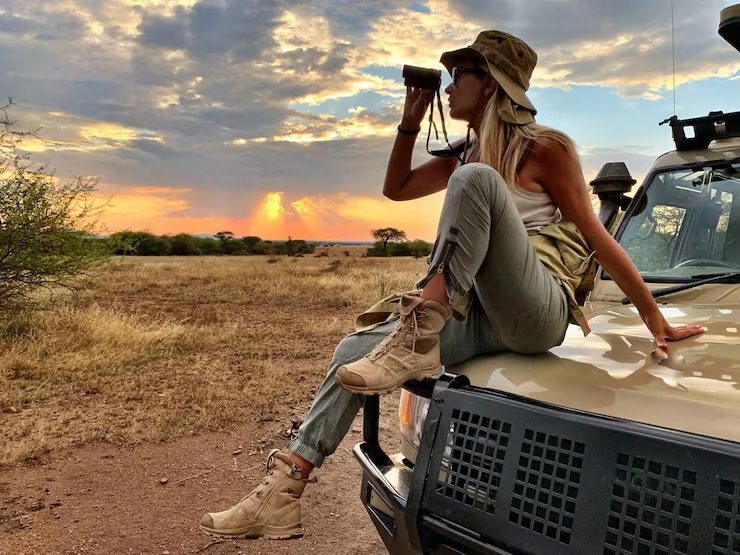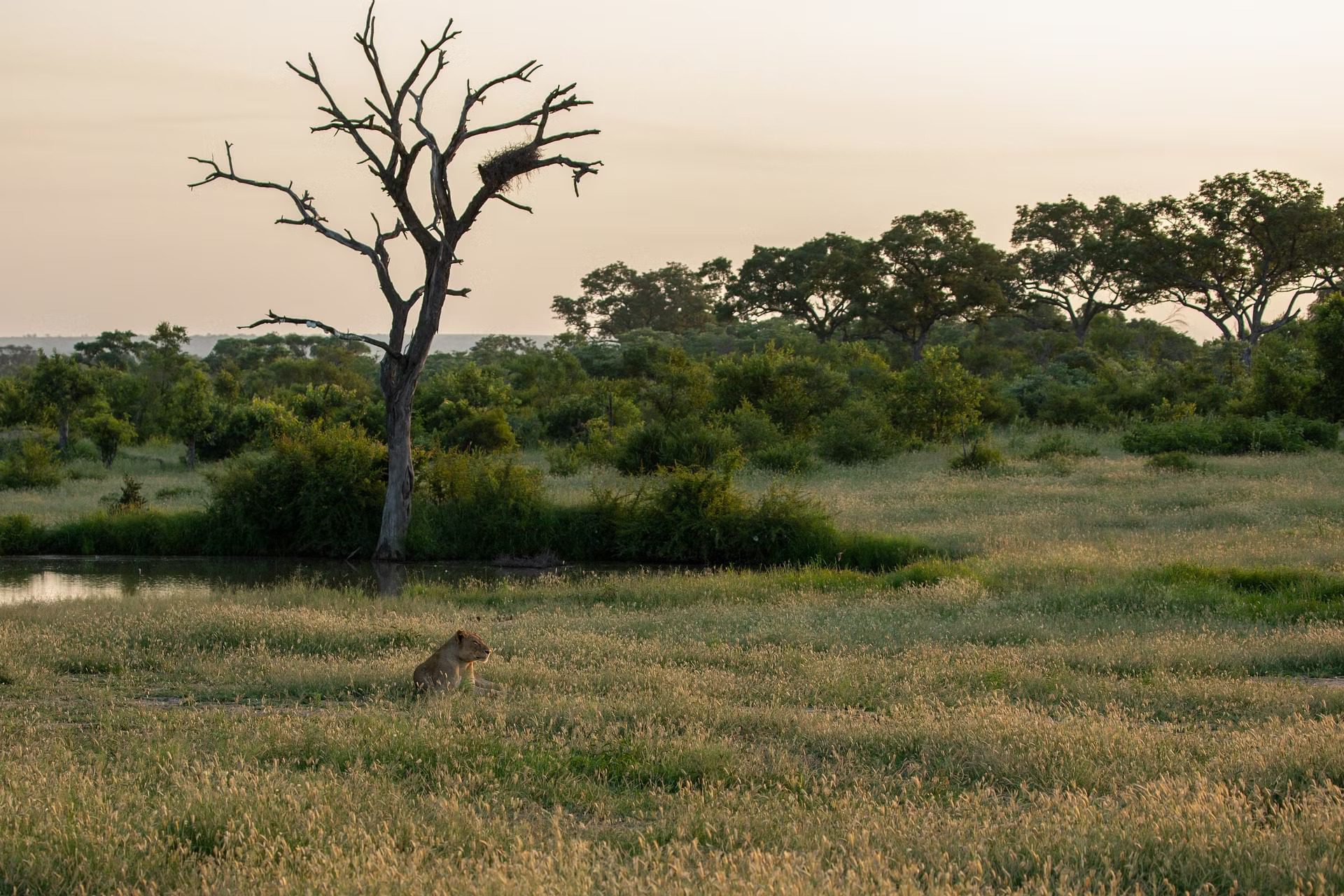
As the birthplace of the safari, it offers an authentic African experience that combines spectacular wildlife, world-class hospitality, and vibrant culture. From its vast savannahs and towering mountains to its pristine beaches along the Indian Ocean, Kenya is a land of endless wonders waiting to be explored.
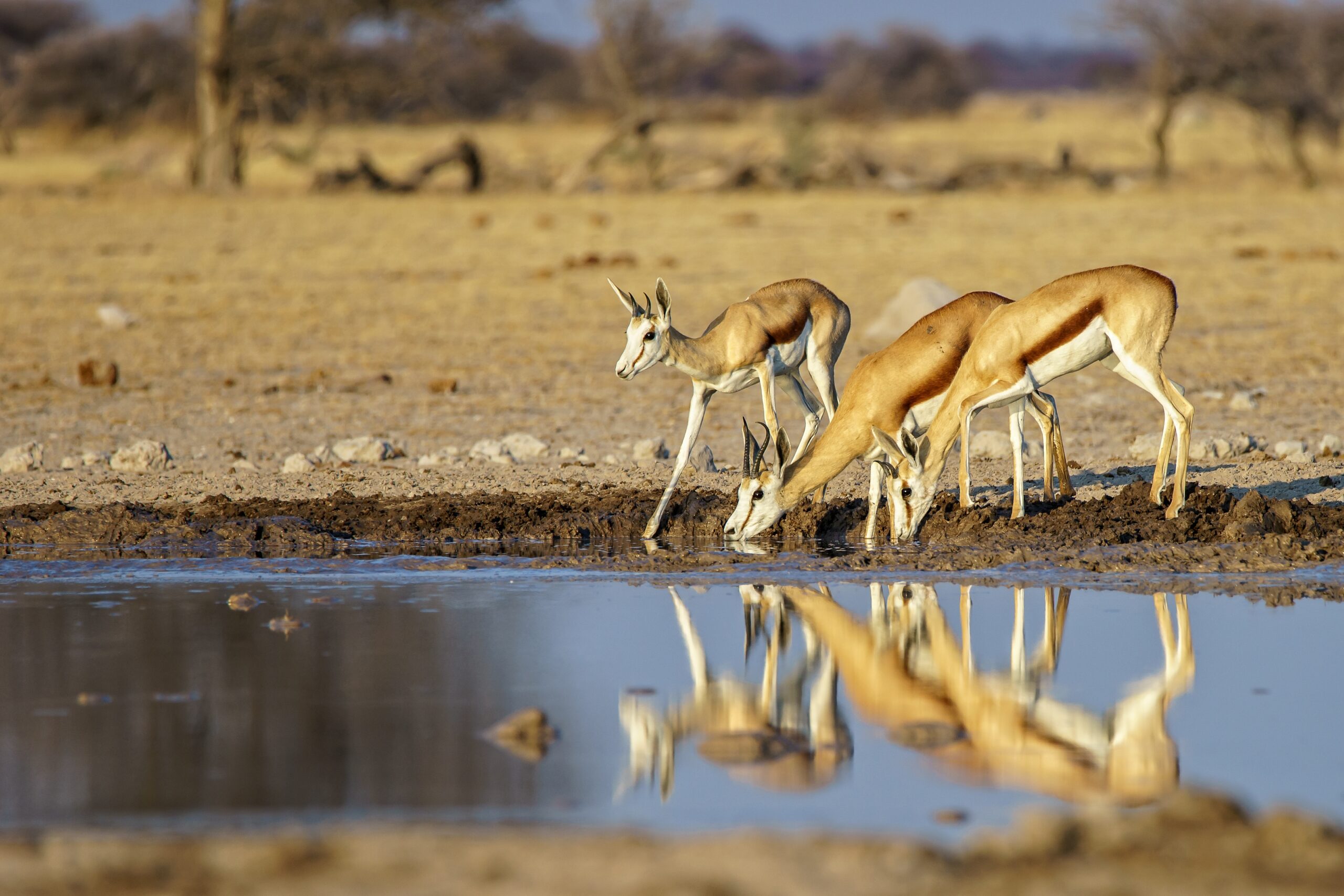
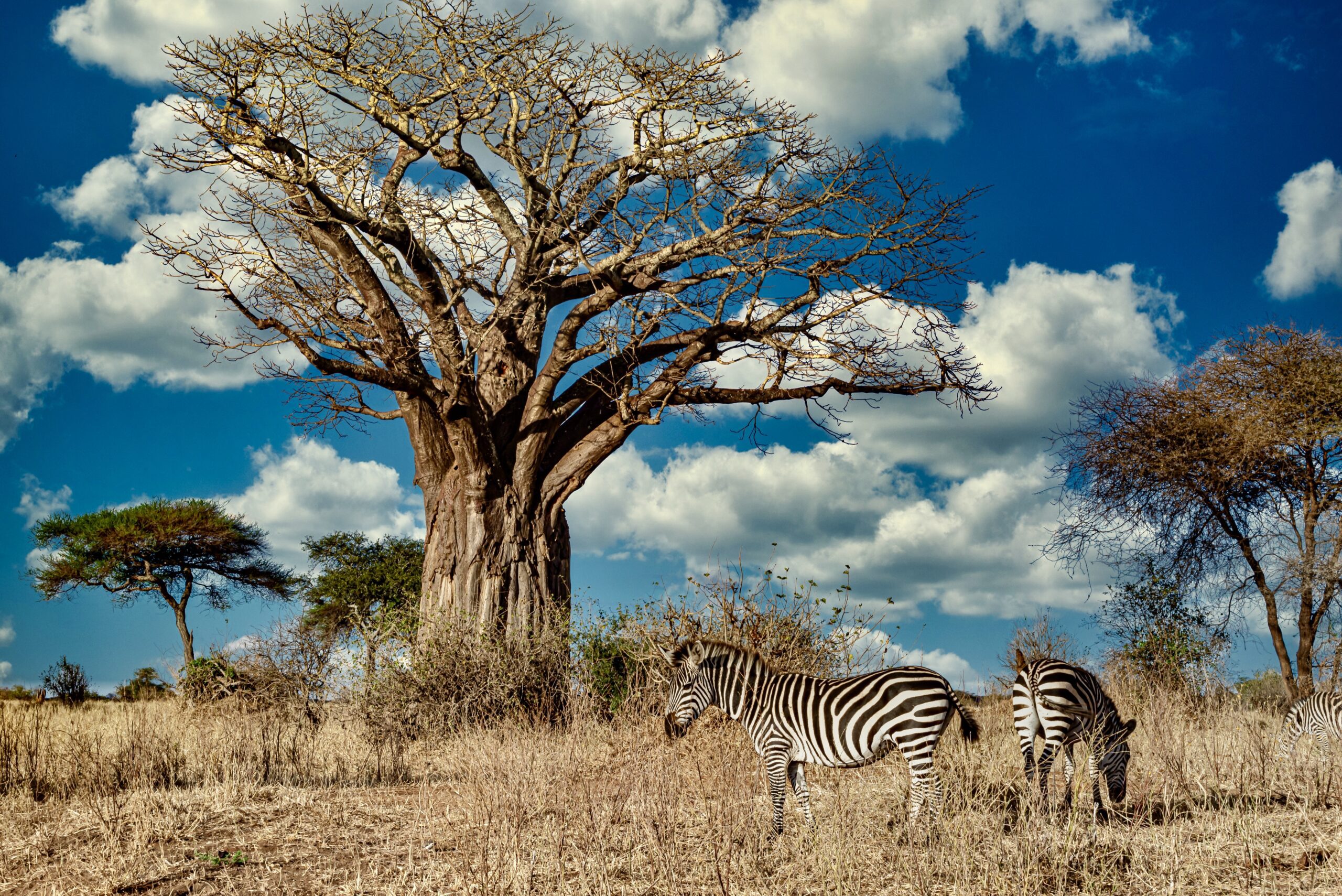
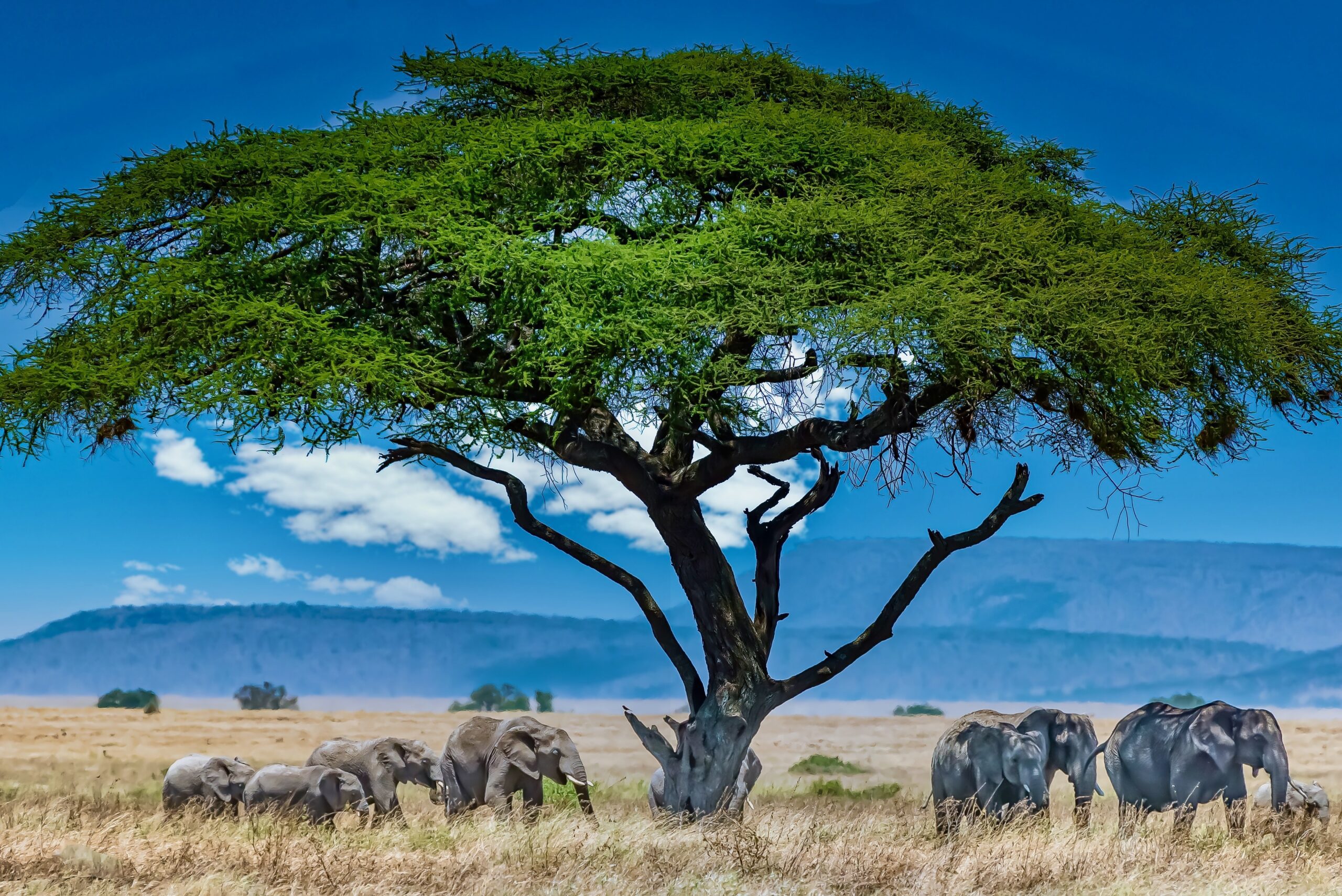
Renowned for its exceptional national parks, reserves, and private conservancies, Kenya is home to some of the most diverse and abundant wildlife on the planet. Iconic destinations like the Maasai Mara, Amboseli, and Samburu are teeming with animals, including the “Big Five,” and the country is world-famous as the stage for the Great Wildebeest Migration—a breathtaking natural phenomenon where millions of wildebeests, zebras, and antelopes journey across the Serengeti-Mara ecosystem.
Beyond the wilderness, Kenya’s Indian Ocean coastline offers a different kind of paradise. With its powdery white sands, and turquoise waters.The coastal towns of Diani Beach, Malindi, and Watamu provide the perfect retreat. Here, you can dive into crystal-clear waters to explore vibrant coral reefs, take a dhow cruise along the coast, or simply relax on some of the most beautiful beaches in the world.
Kenya is also a global leader in conservation, with pioneering private conservancies like Naboisho and Lewa offering sustainable safari experiences. These sanctuaries ensure that wildlife thrives while empowering local communities and giving travelers exclusive, meaningful encounters with nature.
With top-notch hospitality, luxury lodges, and modern infrastructure, Kenya is an easy country to explore, whether tracking lions on a game drive, climbing Mount Kenya, or savoring fresh seafood by the beach. Kenya’s warm and welcoming people will make you feel at home from the moment you arrive
June to October – Cool Dry Season – This is the cooler dry season when temperatures are the coldest in Kenya. Daytime temperatures vary between 23C to 28C on the coastal areas. These days are sunny with clear skies. The wildebeest migration reaches the Masai Mara in July and remains until October when they move back to the Serengeti in Tanzania. The wildlife is easier to spot because the bush is thinner and animals gather around waterholes.
November – Short Rains – In November, Kenya experiences what is called the ‘short rains’. While the forests and trees look very green, you may see fewer animals on safari as they tend to hide in the bush.
During this month, it doesn’t rain all day – it’s usually more short outbursts and the temperatures are only a little bit lower than in the dry season.
December to February – Hot Dry Season – This hot dry season is excellent for birds and animal viewing, though long grass may make some smaller species hard to spot. January through to February is the calving season. The days are hot and the nights are warm, making this high season a popular time for safaris.
March to May – Wet Season – Rains start to fall in March and the weather is characterized by spring-like conditions. From March to May, the rains can be continuous and, when not raining, the skies are often clouded. Some lodges and camps close down during part of the wet season. Heavy rains bring run-off into the rivers, reducing visibility in the sea.
Lorem ipsum dolor sit amet, consectetur adipiscing elit. Ut elit tellus, luctus nec ullamcorper mattis, pulvinar dapibus leo.
Have a question or want to create your own tailor-made dream itinerary. We are here to answer any questions, please do not hesitate to contact us today to find out more. Our knowledgable friendly staff are happy to provide you with any additional information you may need
For Kenya, starting January 4th 2024, you are no longer required to obtain a Visa the Electronic Travel Authorization (eTA) system replaces the eVisa system for Kenya. It’s crucial for all visitors, including children and infants, to obtain the approved eTA before embarking on their journey to Kenya.
Visitors should apply for the eTA via www.etakenya.go.ke and pay a processing fee of USD $34. Standard processing time is three working days. But visitors should still apply well in advance.
Visa requirements for U.S. citizens traveling to Tanzania.
Foreign nationals may apply for a visa online in advance of travel. Applicants may complete the e-visa application form and make payment online with a credit card or bank transfer at www.immigration.go.tz. If the e-visa is approved, the applicant will receive a “grant notice” via email. Present a copy of the grant notice to the Immigration Officer on arrival at the airport in Tanzania.
U.S. citizens may also obtain a tourist visa upon arrival at the airport in Tanzania. The cost is $100 USD. Be prepared to pay in cash in case connectivity issues make electronic transactions impossible.
A passport valid for a minimum of six months beyond visa issuance and/or date of entry, and at least one blank visa page, is required. Visitors who enter on visas must present a round-trip ticket and demonstrate they have sufficient funds for their stay.
Visa requirements to enter Malawi
The cost of single entry visa (valid for 30 days) is $50. This must be applied for online. If you will be entering Malawi on more than one occasion, double-entry (US$80pp) or multiple-entry (US$150pp) visas are available. Some passport holders don’t require a visa, like SADC countries (please check if you need a visa with the Malawi embassy in your home country). An onward or return ticket is required, as well as sufficient funds and detailed travel plans. Visitors to Malawi must have a minimum of 6 months’ validity and two blank/empty pages in their passport. Visa Application at Evisa
Visa requirements to enter Zambia
The United States and Canada are not required to obtain a visa. The list can be found here. An onward or return ticket is required, as well as sufficient funds and detailed travel plans. Visitors to Zambia must have a minimum of 6 months validity AND two blank/empty pages in their passport.
Check with the Centers for Disease Control and Prevention https://wwwnc.cdc.gov/travel/destinations/traveler/none/kenya?s_cid=ncezid-dgmq-travel-single-001or the World Health Organization https://www.who.int/ for the latest on required and recommended vaccines for your destination. You’ll want to visit your doctor or local travel clinic a couple of months before departure to allow time for any vaccinations to take effect or to fill any prescriptions.
We highly recommend that you purchase a travel protection plan to help protect you and your travel investment against the unexpected. travel protection plans should include coverage for trip cancellation, trip interruption, emergency medical, and emergency evacuation/repatriation, trip delay, and baggage delay.
Kenya
June to October – Cool Dry Season – This is the cooler dry season when temperatures are the coldest in Kenya. Daytime temperatures vary between 23C to 28C on the coastal areas. These days are sunny with clear skies. The wildebeest migration reaches the Masai Mara in July and remains until October when they move back to the Serengeti in Tanzania. The wildlife is easier to spot because the bush is thinner and animals gather around waterholes.
November – Short Rains – In November, Kenya experiences what is called the ‘short rains’. While the forests and trees look very green, you may see fewer animals on safari as they tend to hide in the bush.
During this month, it doesn’t rain all day – it’s usually more short outbursts and the temperatures are only a little bit lower than in the dry season.
December to February – Hot Dry Season – This hot dry season is excellent for birds and animal viewing, though long grass may make some smaller species hard to spot. January through to February is the calving season. The days are hot and the nights are warm, making this high season a popular time for safaris.
March to May – Wet Season – Rains start to fall in March and the weather is characterized by spring-like conditions. From March to May, the rains can be continuous and, when not raining, the skies are often clouded. Some lodges and camps close down during part of the wet season. Heavy rains bring run-off into the rivers, reducing visibility in the sea.
We advise you to bring a supply of anti-malarial tablets for your entire time in Kenya. Ask your doctor to prescribe the best one available. We do not recommend Larium (sometimes known to cause hallucinations) or Doxycycline (many people have had bad reactions to the sun when they use this prophylactic)
Visit the U.S. Department of State at https://travel.state.gov/content/travel/en/international-travel.htmltravel.state.gov or the Government of Canada at https://www.canada.ca/en.html
for information on travel advisories, special considerations for travel in various countries and to register with your nearest embassy or consulate for the destinations included in your journey.
Choose comfortable, versatile clothing that can be layered to account for changes in the weather throughout the day.
khaki and green colored clothing are recommended and bright colors are best avoided. Camouflage can be considered unlawful in East Africa as it is worn by the local forces so best to avoid.
Make sure to bring at least one good fleece or jacket as it can get chilly at night and on early morning game drives.
When packing, keep in mind that most lodges and camps provide laundry services and keep in mind luggage alliance.
Clothing guidelines
T-shirts
Long-sleeve shirts
Sweatshirt or fleece for when it gets chilly
lightweight raincoat
comfortable shorts
Cotton trousers/pants
Socks
Underwear
Pajamas
Pair of sunglasses (preferably with UV protection)
1 sunhat to protect from the hot African sun.
1 warm woolen hat
1 swimsuit
Pair of lightweight, durable walking shoes or hiking boots
Pair of flip-flops or sandals (for wearing around camp)
Money belt or neck wallet. Theft in major cities like Nairobi can be common. Protect your cash, credit card, passport, and phones by securing them in a neck wallet or money belt that can be worn underneath clothes,
Convertible Travel Pants like these pants from Clothing Arts. (https://www.clothingarts.com/products/pickpocket_proof_convertible_travel_pants
Toiletries
Every camp or lodge will have toiletries and first aid kit, But its always a good idea to bring your supply.
Personal toiletries, including travel size shampoo, conditioner, soap, deodorant, moisturizer, toothpaste, and toothbrush
Lip balm
Sunscreen (minimum SPF 30+)
Antiseptic gel (for washing your hands when there’s no water around)
Sanitary products for ladies
Mosquito repellant (the most effective includes DEET)
Malaria pills
Antihistamines for bug bites and allergic reactions
Painkillers, e.g. aspirin or Tylenol
Cold and flu medicines
Diarrhea medication, e.g. loperamide
Antiseptic cream
Band-aids
A spare pair of glasses for those that wear contact lenses (it’s often too dusty to wear them comfortably)
Electronic devices
Camera
Spare memory cards
Spare camera battery
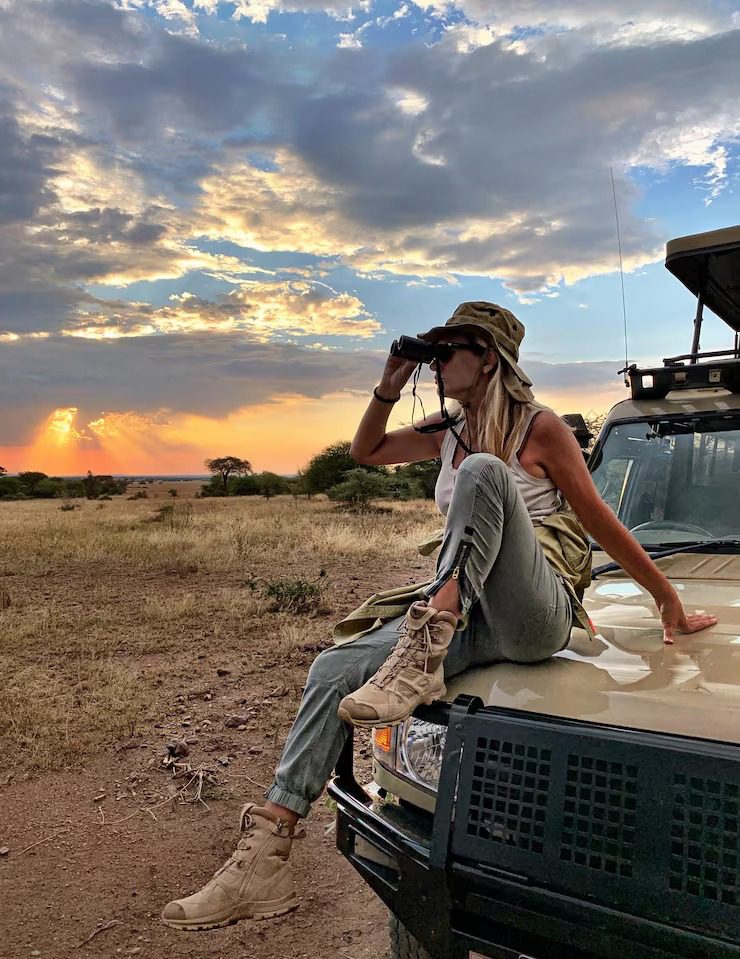
Binoculars (if you have them, otherwise your safari guide will likely have a pair you can borrow)
Spare AA and AAA batteries
Universal travel adapter.
Outlet adapters
A lock for your luggage, Always pack your valuables such as your camera in with your hand luggage.
Phone or Go Pro for those quick shots and videos
Pack for a purpose
If you want to make a positive difference during your time away you can pack a few extra items such as pens and pencils.
What not to bring
Plastic disposable bags have been banned in Kenya.
US dollars printed before 2006
Jewelry, we strongly recommend leaving valuables such as jewelry at home as we cannot be responsible
As the birthplace of the safari, it offers an authentic African experience that combines spectacular wildlife, world-class hospitality, and vibrant culture. From its vast savannahs and towering mountains to its pristine beaches along the Indian Ocean, Kenya is a land of endless wonders waiting to be explored.
Renowned for its exceptional national parks, reserves, and private conservancies, Kenya is home to some of the most diverse and abundant wildlife on the planet. Iconic destinations like the Maasai Mara, Amboseli, and Samburu are teeming with animals, including the “Big Five,” and the country is world-famous as the stage for the Great Wildebeest Migration—a breathtaking natural phenomenon where millions of wildebeests, zebras, and antelopes journey across the Serengeti-Mara ecosystem.
As the birthplace of the safari, it offers an authentic African experience that combines spectacular wildlife, world-class hospitality, and vibrant culture. From its vast savannahs and towering mountains to its pristine beaches along the Indian Ocean, Kenya is a land of endless wonders waiting to be explored.
Renowned for its exceptional national parks, reserves, and private conservancies, Kenya is home to some of the most diverse and abundant wildlife on the planet. Iconic destinations like the Maasai Mara, Amboseli, and Samburu are teeming with animals, including the “Big Five,” and the country is world-famous as the stage for the Great Wildebeest Migration—a breathtaking natural phenomenon where millions of wildebeests, zebras, and antelopes journey across the Serengeti-Mara ecosystem.
Beyond the wilderness, Kenya’s Indian Ocean coastline offers a different kind of paradise. With its powdery white sands, and turquoise waters.The coastal towns of Diani Beach, Malindi, and Watamu provide the perfect retreat. Here, you can dive into crystal-clear waters to explore vibrant coral reefs, take a dhow cruise along the coast, or simply relax on some of the most beautiful beaches in the world.
Kenya is also a global leader in conservation, with pioneering private conservancies like Naboisho and Lewa offering sustainable safari experiences. These sanctuaries ensure that wildlife thrives while empowering local communities and giving travelers exclusive, meaningful encounters with nature.
With top-notch hospitality, luxury lodges, and modern infrastructure, Kenya is an easy country to explore, whether tracking lions on a game drive, climbing Mount Kenya, or savoring fresh seafood by the beach. Kenya’s warm and welcoming people will make you feel at home from the moment you arrive

Experience Africa at its most authentic. Tailor-Made for you, Crowd-Free